
About our Japanese tea collection
GUIDES

Japanese Tea: A Complete Guide to Green Tea, Matcha & More

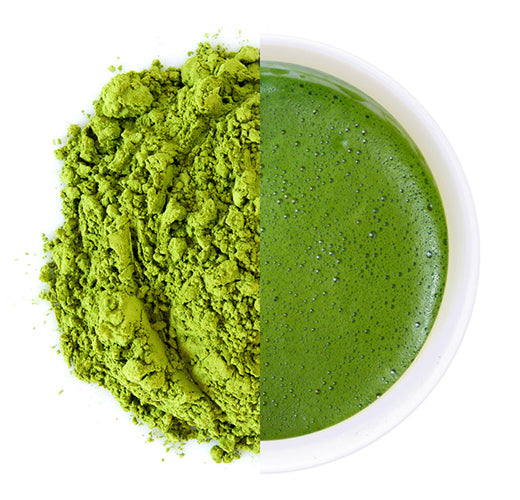
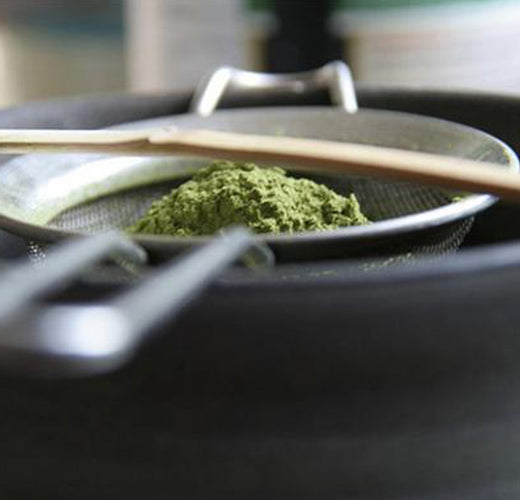
In short Origin: Sourced from Yame, a premier southern region famous for its mellow, sweet, and low-bitterness tea. Sencha: Japan's everyday favorite; best enjoyed at 70°C to unlock its delica...
Japanese Kit Kat
ABOUT

About Japanese KitKat

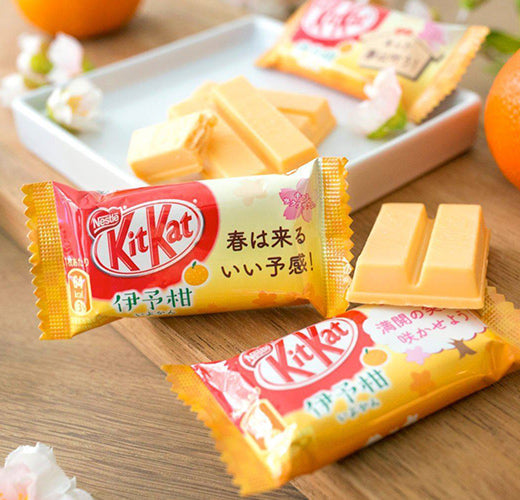
In Short Since 1973: Transformed from a British export to Japan’s #1 confectionery. The "Good Luck" charm: Famous as a student gift ("Kitto Katsu" - Surely Win). Flavor innovation: Rotating s...
Short history of Japanese iron kettles & teapots

Short history of Japanese iron kettles & teapots

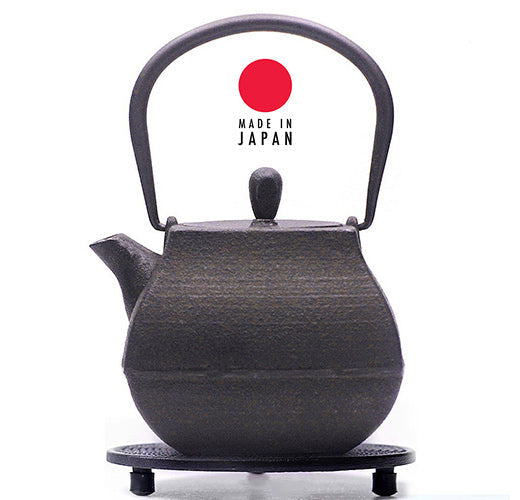
In short Origins: The Tetsubin’s rise is linked to Sencha’s popularity in 17th-century Japan, when tea drinking became a casual, social custom. Design influences: Early Tetsubin likely drew i...
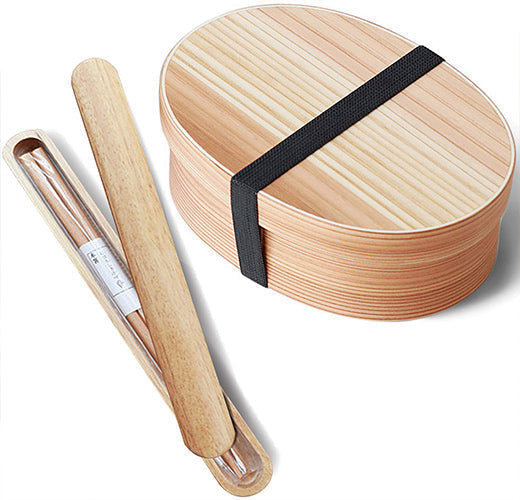
wooden lucn box and chopsticks  from Japan
GUIDES

Japanese Bento Boxes guide

In brief Balance by Design: Compartments naturally encourage a healthy mix of rice, protein, and vegetables. Emotional Connection: In Japan, a bento is more than a meal; it is a gesture of car...
Essential equipment and supplies for crafting beautiful bento

About our bento accessories collection

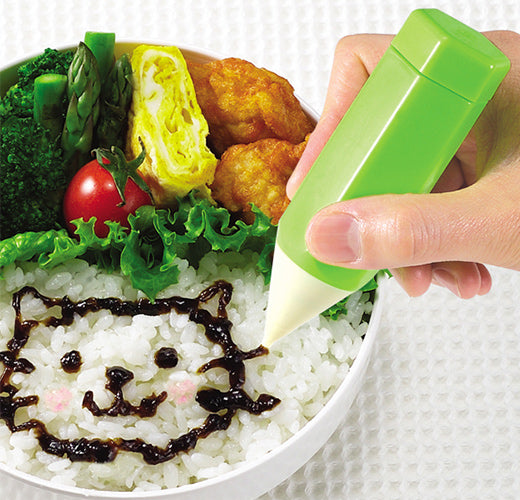
In short Beautiful presentation: A bento should be both healthy and visually appealing, not just functional. Creative tools: Egg molds, rice molds, cutters, and food picks make meals fun, cut...
History of tea in Japan

History of tea in Japan

In short From China to Japan: Tea arrived in the 9th century, then was reintroduced in the 12th by monk Eisai, who promoted green, powdered tea for health and meditation. ...
Japanese Bowls: Perfect for Any Dish
GUIDES

Japanese Bowls Guide: Traditional Sizes, Materials & Uses

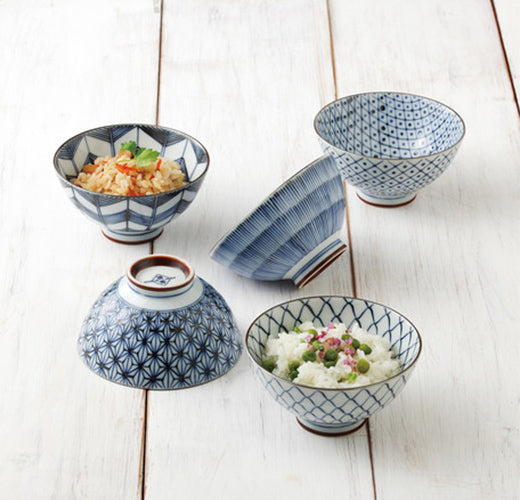
In short Rice bowls (small): Handcrafted from porcelain or wood, these are essential for rice, side sauces, or desserts. Donburi bowls (medium): Versatile for topped rice dishes, cereals, and ...
Japanese chopsticks

About Japanese chopsticks

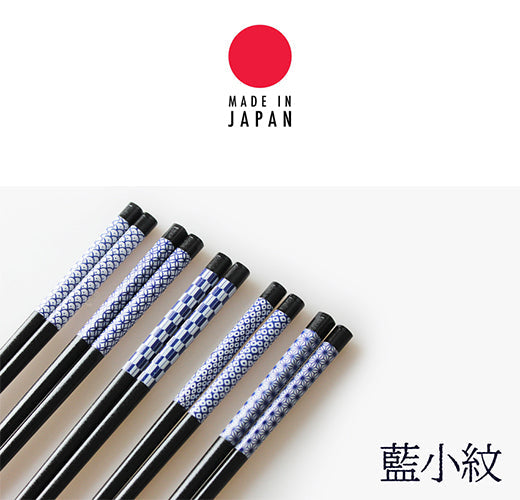
At a glance Sacred Legacy: Japanese Hashi evolved from ritual tools used to "dine with the gods." Perfect Fit: Use the "1.5 rule" (Hand span x 1.5) to find your ideal chopstick length. Materi...
About Japanese tableware

About Japanese tableware

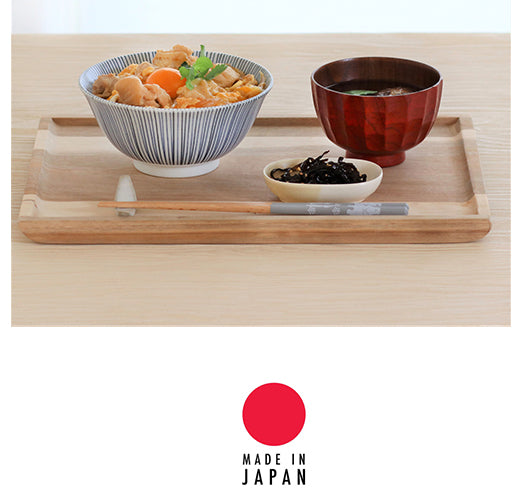
In short Verify quality: Genuine lacquerware is often imitated by plastic; always check the specific material details before buying. Course style: Japanese dining serves all dishes at once rat...