


News
About
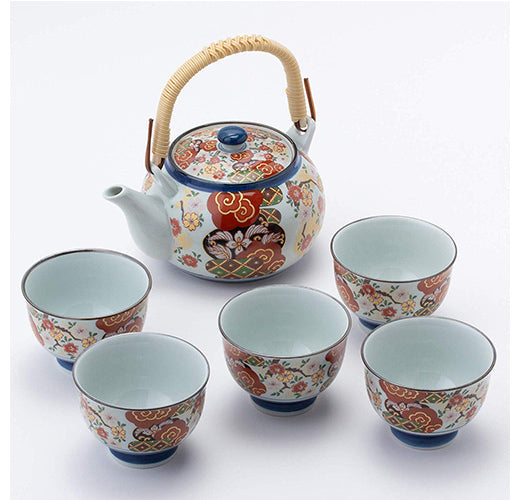
Types of Japanese teapots: A buyer’s guide
At a glance
Kyusu styles: Side-handles offer maximum control; back-handles provide a familiar grip.
Dobin utility: Large capacity and heat-resistant handles make these ideal for hosting.
Iron...
HOW TO?
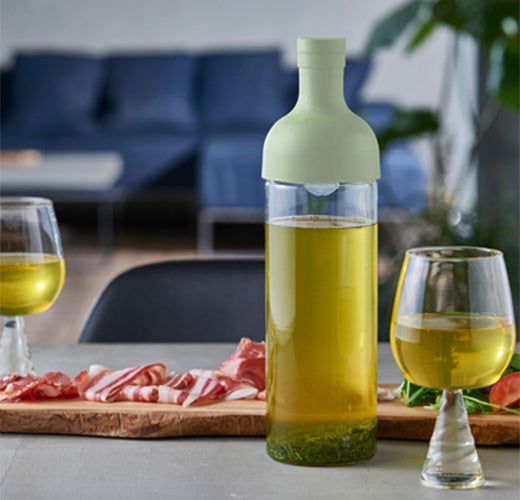
How to make Japanese cold tea?
In short
Health benefits: Cold brewing extracts sweetness, umami, and Vitamin C without heat damage.
Easy brewing: Just add tea leaves and water, steep overnight, and en...
RECIPES
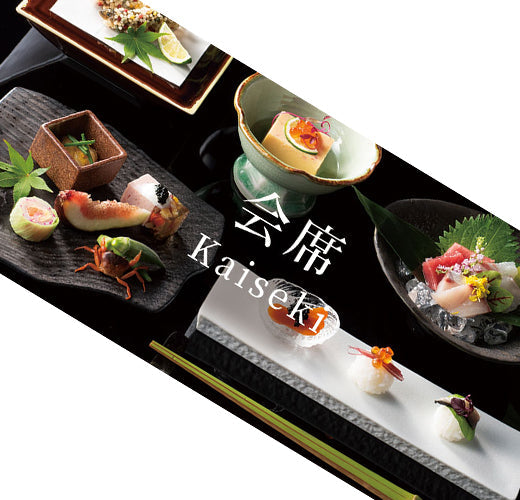
New! Shop by recipe
In short
A wide range of dishes: From classics like ramen, curry, miso soup, and tempura to unique specialties such as natto, oden, and chawanmushi.
Street food favorite...
GUIDES
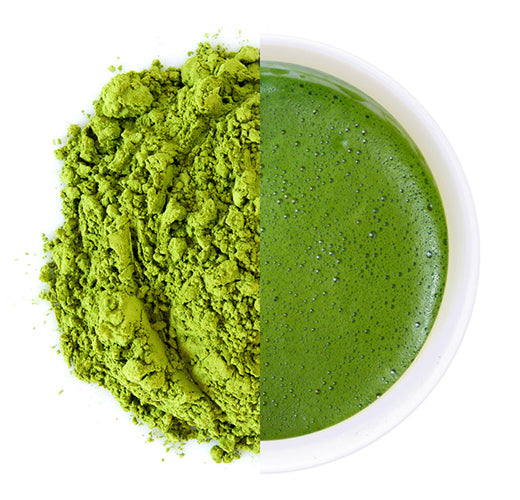
The Ultimate Guide to Japanese tea
In short
Origin: Sourced from Yame, a premier southern region famous for its mellow, sweet, and low-bitterness tea.
Sencha: Japan's everyday favorite; best enjoyed at 70°C to unlock its delica...
ABOUT
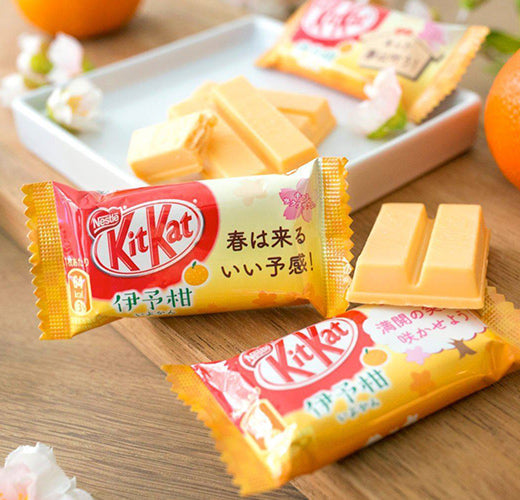
About Japanese Kit Kat
In Short
Since 1973: Transformed from a British export to Japan’s #1 confectionery.
The "Good Luck" charm: Famous as a student gift ("Kitto Katsu" - Surely Win).
Flavor innovation: Rotating s...
Short history of Japanese iron kettles & teapots
In short
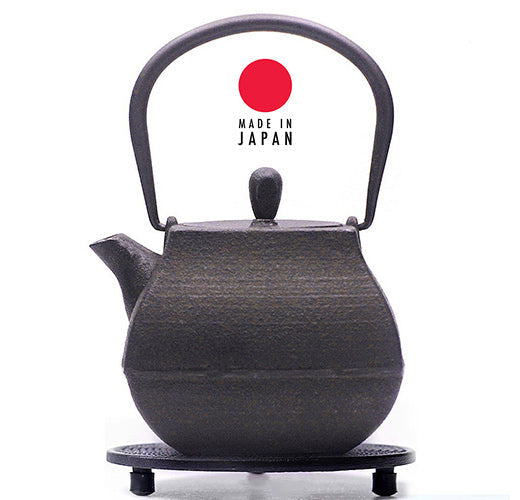
Origins: The Tetsubin’s rise is linked to Sencha’s popularity in 17th-century Japan, when tea drinking became a casual, social custom.
Design influences: Early Tetsubin likely drew i...
GUIDES
Japanese Bento Boxes guide
In brief
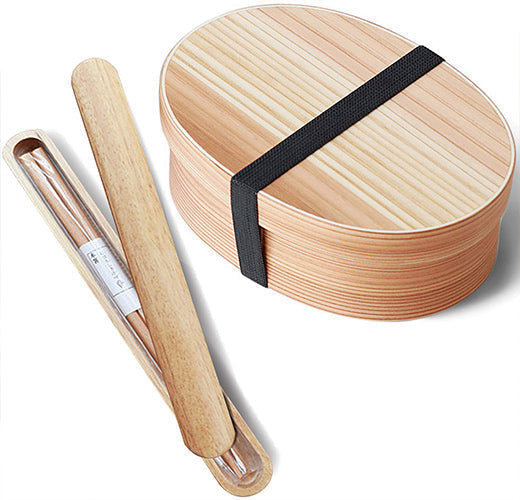
Balance by Design: Compartments naturally encourage a healthy mix of rice, protein, and vegetables.
Emotional Connection: In Japan, a bento is more than a meal; it is a gesture of car...
About our bento accessories collection
In short
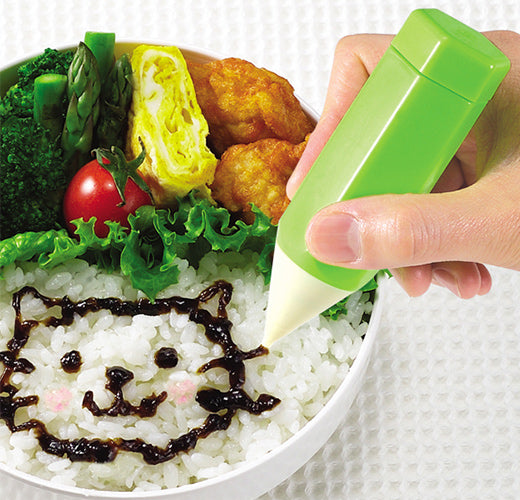
Beautiful presentation: A bento should be both healthy and visually appealing, not just functional.
Creative tools: Egg molds, rice molds, cutters, and food picks make meals fun, cut...
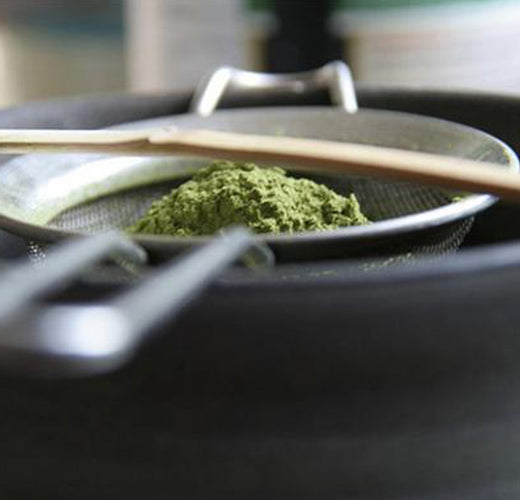
History of tea in Japan
In short
From China to Japan: Tea arrived in the 9th century, then was reintroduced in the 12th by monk Eisai, who promoted green, powdered tea for health and meditation.
...