



In short
- Verify quality: Genuine lacquerware is often imitated by plastic; always check the specific material details before buying.
- Course style: Japanese dining serves all dishes at once rather than in sequences, focusing on variety and shared plates.
- Correct handling: Unlike Western etiquette, it is polite to lift your rice or soup bowl to your chest while eating.
- Versatile use: Traditional ceramics and glassware pair beautifully with both Japanese and Western table settings.
Japanese tableware is more than just a surface for food; it is a thoughtful part of the dining experience. From the weight of a handmade bowl to the curve of a plate, every piece is designed to harmonize with the ingredients it holds. We cover this in detail in our guide Japanese Ramen Bowl Guide.

When building your collection, be mindful of lacquerware. It is common for retailers to label mass-produced plastic as "lacquerware" because of the glossy finish. If you want the real thing, look for detailed material specs. At Akazuki, we believe in being direct: if a piece is a durable modern resin, we say so; if it is traditional wood and lacquer, we specify the artisan craft involved. We cover this in detail in our guide Japanese Bowls Guide: Traditional Sizes, Materials & Uses.
Understanding shapes and sizes

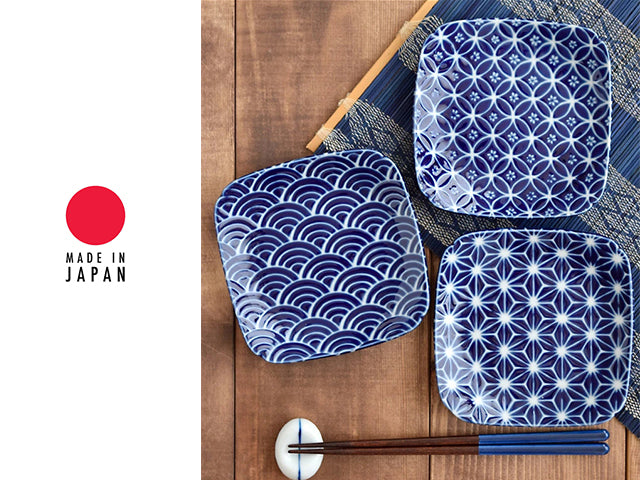
A Japanese table setup looks very different from a Western one. Instead of a large single dinner plate, a meal typically consists of several small dishes (mamezara) surrounding a central serving platter. Since all courses are served at once, these various shapes keep flavors from running into each other. We cover this in detail in our guide Japanese Plates Guide: Shapes, Sizes, and Traditional Uses.
Sharing is central to the meal. It is common to take portions from communal center dishes using your chopsticks and transfer them to your personal small plate. For specific needs:
- Lacquerware bowls are best for miso soup or dipping sauces, as the material stays cool to the touch.
- Ceramic chawan are the go-to for rice and donburi dishes.
- Sushi plates are typically hand-sized and flat or slightly curved to display the freshness of the fish.

Japan also has a centuries-old tradition of exquisite glassware. Whether for cold beer or refined sake, these pieces add a tactile elegance to your table that works just as well with a steak dinner as it does with sushi.
Mastering Japanese dining etiquette
Because Japanese portions focus on variety, there are a few simple rules for handling your dishes politely:
The Rice Bowl: Rice is the foundation of the meal. To eat properly, lift the bowl with one hand and use your chopsticks with the other. Bringing the bowl toward you is not only polite but prevents spills. We cover this in detail in our guide Japanese Rice Bowl Guide.
Soup Without Spoons: It is standard to sip directly from the bowl. Use your chopsticks to handle the solid ingredients (like tofu or seaweed) while holding the bowl with both hands for stability and warmth. We cover this in detail in our guide How to Choose the Perfect Miso Bowl.
Large Pieces: If a piece of food is too large for one bite, use your chopsticks to break it apart on your plate, or simply bite off a portion and set the rest back down. There is no need to struggle with the whole piece at once.
For a deeper dive into these skills, check out our full guide on Japanese chopsticks etiquette. To go further, read our guide How big are Japanese rice bowls?.