



In brief
- Balance by Design: Compartments naturally encourage a healthy mix of rice, protein, and vegetables.
- Emotional Connection: In Japan, a bento is more than a meal; it is a gesture of care and affection from the maker.
- Sustainable Living: A reusable, BPA-free alternative to disposable plastics and brown bags.
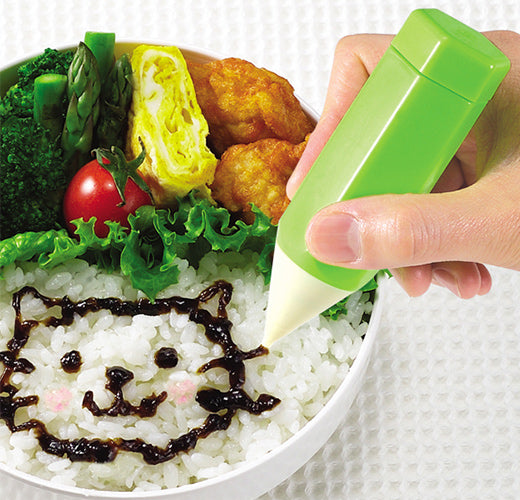
- Creative Freedom: From professional aesthetic boxes to fun "Charaben" for kids, the bento makes eating an experience.
Beyond the lunchbox: What is a bento?
A "bento" is a traditional Japanese meal box, often divided into layers or compartments to keep different foods separate and fresh. Far superior to a standard plastic container, the bento is designed to make eating on-the-go both a visual and nutritional pleasure.
When choosing your first box, the design is the first thing you'll notice, but the capacity is what truly matters. We offer various sizes to suit different appetites, from small, kawaii bento boxes for kids to larger, robust containers for adults. The beauty of the box itself naturally encourages you to put more thought into what goes inside, helping you move away from messy leftovers toward a more balanced, colorful meal.
In Japan, the gold standard for a bento follows a simple ratio: 40% rice (or grain), 30% protein, 20% fresh vegetables, and 10% tsukemono (pickles) or fruit. This structure provides everything your body needs in one compact, portable package.

The living history of the bento
The practice of carrying meals in compartmentalized boxes dates back to the 12th century. What began as a simple way for travelers to transport dried fish and rice has evolved into a cornerstone of Japanese culture. For many Japanese people, the bento is deeply tied to childhood memories; the sound of a mother preparing the box at dawn, and the anticipation of finally opening it at lunch.
There is a unique social dynamic in Japanese schools around the bento. Some children bring elaborate homemade boxes, while others might have a konbini (convenience store) bento. This often leads to "trading" pieces of food among friends, turning lunch into a communal event. In Japanese manga and literature, eating your bento hidden behind a textbook during a morning class is a classic, relatable trope of student life.
More than just food, a bento is often used to communicate feelings. A girl might prepare a beautiful bento for someone she likes, hoping he says "gochisousamadeshita" (thank you for the feast) as a way of acknowledging her care. It is a silent language of affection expressed through garnishes and careful arrangement.
A modern revolution: Bento for everyone

While the bento was traditionally a "home-to-office" meal, it has seen a massive global surge. In Japan, we are seeing the rise of Danshi Bento, where men take pride in preparing their own healthy, cost-effective lunches. Whether you are using a high-end Shokado box for a formal presentation or a simple reusable container for the office, the goal remains the same: a better way to eat.
Tired of soggy sandwiches or wasteful paper bags? Our Japanese bento lunch boxes are entirely BPA-free and built to last for years. For those who prefer the warmth of tradition, our Magewappa (hand-bent cedar) boxes offer an eco-friendly, breathable way to keep your rice perfectly textured.
Embracing the bento lifestyle isn't just about weight control or saving money; it's about taking a moment in a busy day to enjoy a meal that was prepared with intention. Your lunch deserves to look as good as it tastes.