



At a glance
- The Owan Tradition: Designed to be held, these bowls prioritize heat insulation.
- Material Choice: Lacquerware for lightness and heat protection; Ceramic for versatility.
- Standard Size: Usually 300ml to 400ml, ideal for Miso soup or small rice portions.
- Maintenance: Lacquerware requires gentle care—never soak or use a dishwasher.
The miso soup bowl Guide: understanding the owan
In a traditional Japanese meal, the soup bowl, or Owan, is the only vessel meant to be lifted to the lips. This unique interaction means that the material, weight, and "hand-feel" are just as important as the design. Sourced from artisans in Fukuoka and beyond, our authentic soup bowls are crafted to balance beauty with functional insulation.
1. Lacquerware vs. Ceramic: Which is right for you?
The choice of material fundamentally changes your dining experience:
- Lacquerware (Shikki): The gold standard for Miso soup. Lacquer is a natural insulator, meaning the soup stays hot while the outside of the bowl remains cool to the touch. It is incredibly lightweight and durable.

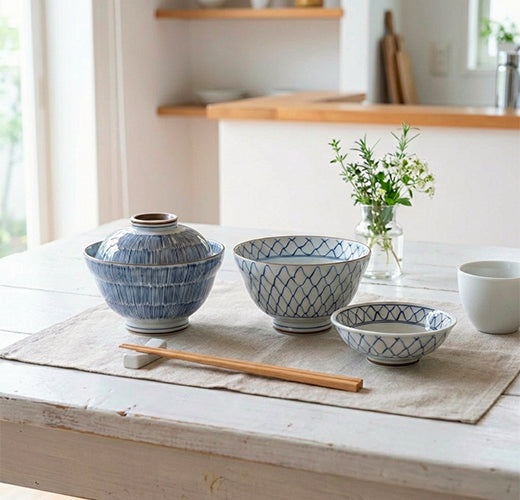
- Ceramic (Pottery/Porcelain): Best for those who want a multipurpose bowl. While heavier and more heat-conductive, ceramic bowls are excellent for side dishes, salads, or small portions of rice (Chawan).

2. The anatomy of a soup bowl
Unlike Western soup plates, a Japanese Owan features a "Kodai" (foot ring). This raised base is designed to keep the heat of the soup away from the table surface and provide a secure grip for your fingers when lifting the bowl.
3. A touch of history
Historically, lacquerware was a symbol of status in Japanese households. Red and black lacquer are the most traditional colors—black representing elegance and red representing celebration. In Fukuoka, we appreciate tableware that bridges the gap between these ancient tea ceremony aesthetics and modern daily life.
Care guide: preserving your soup bowls
To keep your bowls, especially lacquerware, in perfect condition for years:
- No microwaves or dishwashers: Lacquer is a natural material that will peel or crack under extreme heat or pressure.
- Use soft sponges: Harsh scrubbers will scratch the delicate finish. Use mild soap and lukewarm water.
- Dry with a soft cloth: To avoid water spots, wipe the bowl dry immediately after washing. This also helps maintain the natural shine of the lacquer.
Complete your dining set by exploring our full Japanese Tableware collection, or find the perfect handcrafted chopsticks to pair with your new Miso bowl.