



Japanese sweets explained: mochi, wagashi, and the plates they belong on
Ask ten people outside Japan what a Japanese sweet is and most will say mochi. Ask the same question in a Fukuoka confectionery and you will get a much longer answer, because mochi is one ingredient among many and wagashi is a craft with its own calendar, its own vocabulary and its own serving rules. This guide sorts out what is what, when each thing is eaten, and what you put it on. We sell the plates and tea things, so the serving section is the part we know best, and we have tried to be honest about where our expertise stops.
First, the two families
Wagashi means traditional Japanese confectionery as a whole. The word exists because yogashi, Western confectionery, arrived and needed a counterpart. Wagashi is usually built from rice, beans, sugar and agar, rarely from dairy or eggs, and it is designed to be eaten with green tea rather than coffee.
Mochi is pounded glutinous rice. It is a material, not a dessert category. Mochi shows up inside sweets, under sweets, grilled in soup, and on its own. Plenty of wagashi contain no mochi at all.

The sweets you will actually meet
Made with mochi or rice flour
- Daifuku: a mochi shell around a filling, classically anko (sweet red bean paste). Ichigo daifuku puts a whole strawberry inside and is a spring fixture.
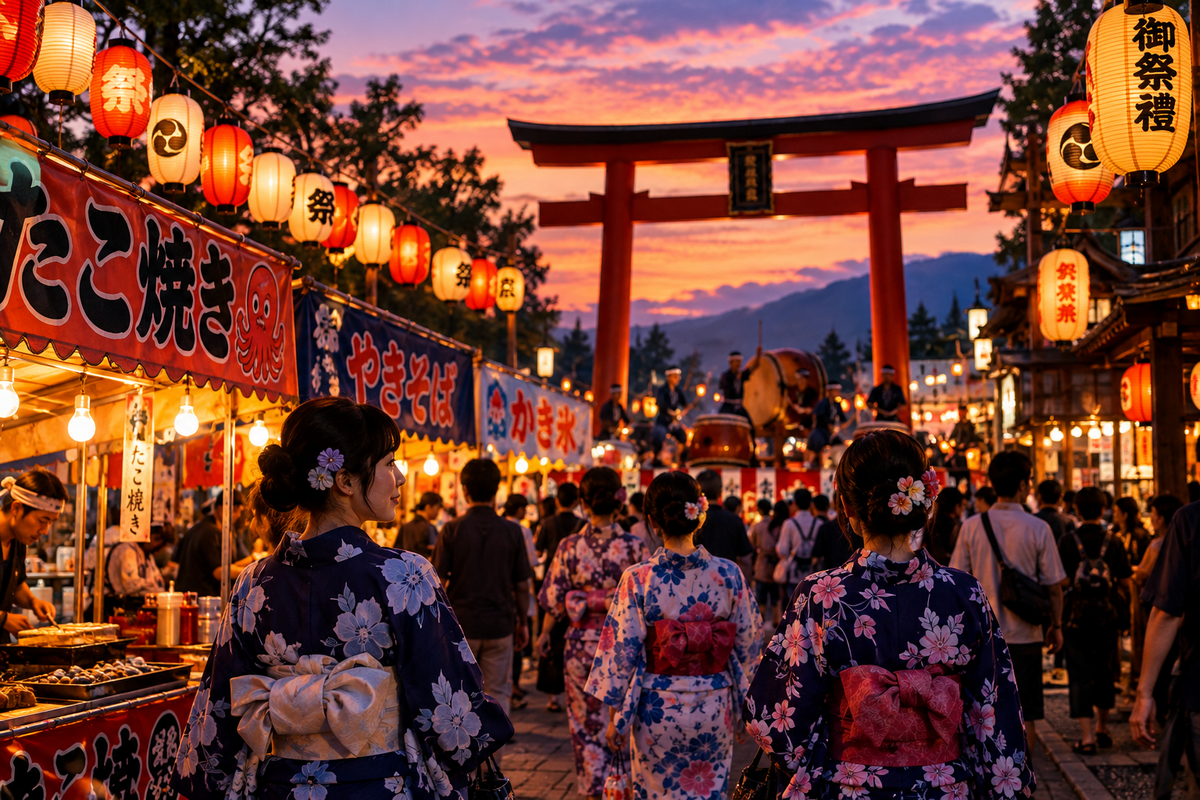
- Dango: small balls of rice flour on a skewer. Mitarashi dango is glazed with a sweet soy syrup and is the one you smell at festivals. Hanami dango, pink, white and green, appears at cherry blossom season.
- Sakura mochi: pink mochi with bean paste, wrapped in a salted cherry leaf. The leaf is edible and most people eat it. It is a spring sweet only.
- Warabi mochi: not rice at all, but bracken starch, served cold and dusted with roasted soybean flour (kinako). A summer sweet, and the one visitors are most often surprised by.
Made without mochi

- Dorayaki: two small pancakes with bean paste between them. The everyday sweet, sold in every convenience store.
- Taiyaki: a fish-shaped batter cake, filled with bean paste, custard or sweet potato. Street food, eaten hot.
- Manju: a steamed or baked bun with a filling. Regional versions are everywhere, and most Japanese towns have one they are proud of.
- Yokan: a firm block of bean paste set with agar, sliced like a terrine. It keeps for weeks, which is why it is the classic gift to bring back from a trip.
- Nerikiri: the sculpted sweets served at tea ceremony, shaped into flowers, leaves or fruit by hand. This is where wagashi becomes closer to jewellery than to baking.
-
Kasutera: a honey sponge cake, brought to Nagasaki by Portuguese traders in the sixteenth century and now thoroughly Japanese. Our neighbours in Kyushu would be annoyed if we left it out

The seasonal calendar, as it runs in Kyushu
Wagashi follows the seasons more strictly than any other Japanese food. A shop that sells sakura mochi in October is telling you something about itself. This is the rhythm we see in Fukuoka, which runs slightly ahead of Tokyo because spring arrives earlier here.
| Season | On the counter | Why |
|---|---|---|
| January | Hanabira mochi, kagami mochi, ozoni | New Year. Mochi is the food of the season, both sweet and savoury. |
| March to April | Sakura mochi, hanami dango, ichigo daifuku | Blossom season and the strawberry harvest, which in Fukuoka means the Amaou variety. |
| May | Kashiwa mochi, chimaki | Children's Day. The oak leaf wrapper is symbolic and is not eaten. |
| June to August | Warabi mochi, mizu yokan, kuzumochi | Everything cold, soft and translucent. Summer wagashi is about looking cool. |
| September | Ohagi, tsukimi dango | Autumn equinox and the moon viewing. |
| October to November | Kuri kinton, imo yokan, momiji manju | Chestnut and sweet potato season. Momiji manju is a Hiroshima speciality that travels well. |
Anko: the ingredient that decides everything
Most wagashi is a delivery system for sweet bean paste, so it is worth knowing the two forms. Koshian is strained smooth, and is considered the more refined of the two. Tsubuan keeps the bean skins, and has more texture and more bean flavour. Neither is better. Preference splits by region and by household, and it is a genuine topic of disagreement at a Japanese family table.
There is also shiroan, white bean paste, which is the base for nerikiri because it takes colour cleanly.

One practical warning about mochi
Every January, Japanese news reports choking incidents involving mochi at New Year, mostly among elderly people. This is not folklore. Mochi is dense and sticky, and it does not break down the way bread does. The standard advice here is simple: cut it small, chew it thoroughly, and do not eat it while talking or laughing. If you are serving ozoni to children or to older guests, cut the mochi into pieces the size of a thumbnail before it goes in the bowl. We mention this because most English-language mochi articles do not, and it is the one piece of practical information a Japanese household would give you first.
How wagashi is served, and why it matters
This is our own territory, so here is what we supply to the tea houses and restaurants we work with in Fukuoka.
The plate
Wagashi is served on something small. A sweet the size of a walnut on a dinner plate looks abandoned. The standard is a small individual plate of around 12 to 15 centimetres, or a lacquered or wooden coaster-sized stand. Porcelain works for anything glazed or wet, and unglazed or wooden pieces suit dry sweets. Our small Japanese plates cover both.
The pick
Soft wagashi is eaten with a kuromoji, a small pointed wooden pick, not with a fork. You use it to cut the sweet into two or three pieces and to lift each one. For firm sweets such as yokan, a small pick or the fingers are both normal.
The tea
The pairing is not decorative, it is structural. Wagashi is sweet enough to need the bitterness of green tea behind it, which is why the two evolved together. Sencha suits most everyday sweets. Matcha suits nerikiri and anything served at a tea gathering, and in that case the sweet is eaten first, in full, before the tea is drunk. If you want to get the tea side right, our guide to brewing matcha and sencha covers water temperature and quantities, and the tea ware collection has the bowls and cups.
The tray
If you are serving several people, the sweets go out on individual plates carried on one tray, not passed around on a shared platter. It is a small thing that changes how the moment feels.
Buying and keeping wagashi
Fresh wagashi is called namagashi and has a shelf life measured in days, sometimes in hours for the most delicate pieces. It is not meant to be kept. Do not refrigerate mochi-based sweets: the cold makes the starch go hard and grainy, and what you get out of the fridge is not what went in. Half-dry and dry sweets, han-namagashi and higashi, keep for weeks and are the ones that travel.
If you are buying from outside Japan, the shelf-stable categories are the realistic ones: yokan, manju, dorayaki, kasutera, and packaged mochi for cooking. Our Japanese sweets and rice and mochi collections stick to what survives the journey, and we would rather tell you that than pretend fresh nerikiri can be shipped.
Where to go next
If you want to build a Japanese tea moment at home rather than just buy a sweet, the two things that make the difference are the tea and the plate, in that order. Start with the brewing guide, then look at tea sets. And if you have an autumn afternoon and a chestnut sweet, use the good plate. That is the whole point of wagashi.
Written in Fukuoka by Fabien Gandrillon, Akazuki.