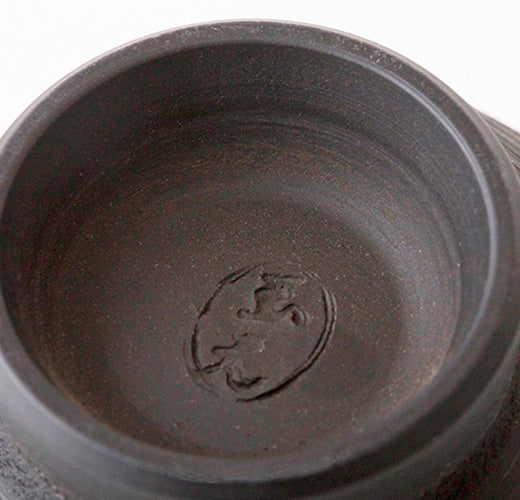




Japanese cast iron, particularly Nambu Tekki, is world-renowned for its incredible heat retention and durability. Whether you own a traditional Tetsubin (kettle) or a heavy-duty wok, proper maintenance ensures these pieces last for generations.
1. The Golden Rule: Never Use Soap
Traditional Japanese cast iron is porous. Dish soap can strip the natural seasoning and leave a chemical aftertaste.
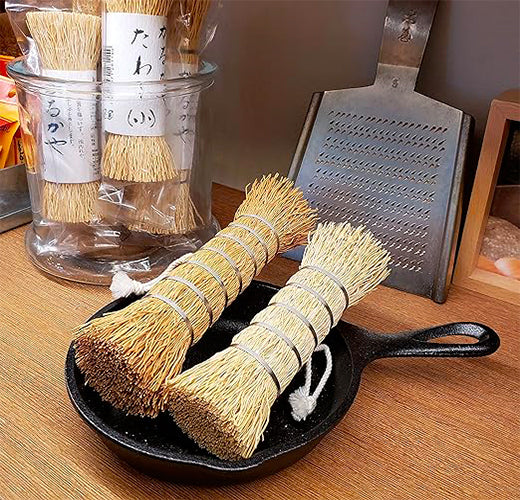
- Cleaning: Use only hot water and a soft brush (like a bamboo Sasara).
- Tough Stains: For stubborn food, boil water in the pan to loosen debris, then scrub gently.

2. Immediate Drying is Essential
The biggest enemy of cast iron is moisture, which leads to rust. Always dry your ironware immediately after washing.
- The Heat Method: After washing, place your cookware over low heat for 1–2 minutes until all surface moisture evaporates.
- The Kettle Rule: Never leave water sitting in a Tetsubin after use. Empty it while hot so the residual heat dries the interior instantly.
3. Seasoning for a Non-Stick Surface
Seasoning creates a natural, non-stick patina. Follow these steps for pans and woks:
- Apply Oil: Wipe a thin layer of vegetable oil over the entire surface.
- Bake: Place the item in an oven at 200°C for one hour.
- Cool: Let it cool completely inside the oven. Repeat this 2–3 times for a new pan.
To go further, read our guide Japanese Knives Guide.
4. Handling Surface Rust
If you see orange spots, don't panic! It is easy to fix:
- Scrub: Use a stiff brush or fine sandpaper to remove the rust.
- Re-season: Immediately follow the seasoning steps above to seal the exposed iron.
- Tea Trick: For kettles, boiling green tea leaves can help. The tannins react with the iron to create a natural, protective black film.
Quick Care Checklist
| Do | Don't |
|---|---|
| Dry immediately with heat | Use a dishwasher |
| Use wooden or silicone utensils | Soak in the sink overnight |
| Store in a dry, airy place | Use steel wool on seasoned surfaces |
To go further, read our guide on caring for your Tetsubin teapot, or browse the full Japanese cast iron collection. To go further, read our guide Japanese Kitchenware & Cookware: A Complete Buyer's Guide.