



In short
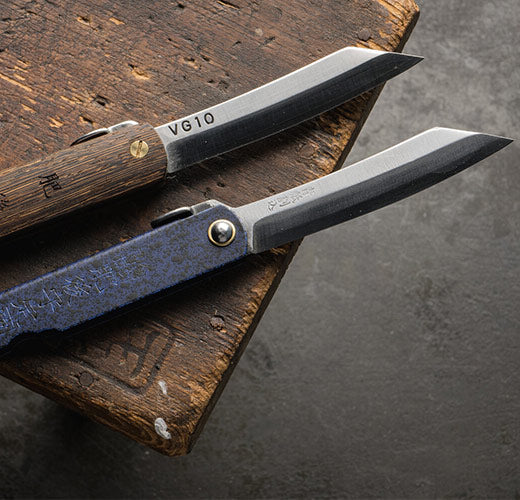
- Steel Mastery: Precision knives like the Deba, Usuba, and Gyuto are the foundation of Japanese prep work.
- Rice Perfection: From advanced electric cookers to cast iron cocottes, achieving "Okoge" (crispy rice) is an art form.
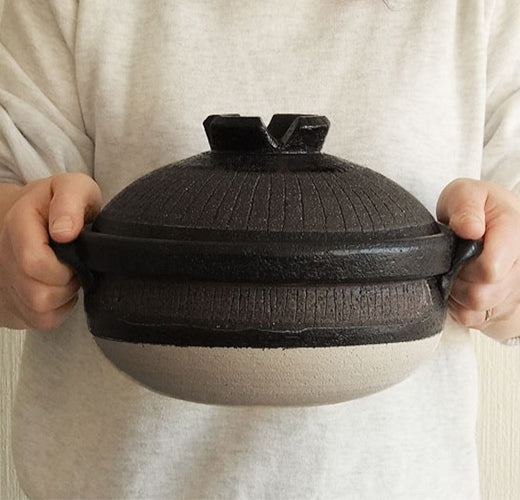
- Slow Heat: Traditional Donabe clay pots provide gentle, even infrared heat for soulful simmering.
- Specialized Tools: From Bamboo Makisu for sushi to Copper Graters for wasabi, the right tools elevate every flavor.
Japanese cuisine is celebrated for its balance, precision, and visual harmony. To recreate this culinary art at home, the magic lies in the tools of the trade. This guide explores the essential pieces of Japanese kitchenware that transform simple ingredients into a professional-grade experience.
Japanese knives: The soul of the kitchen
In Japan, the knife is an extension of the chef’s hand. Japanese knives are globally renowned for their surgical sharpness and retention. To start your collection, focus on the "Big Three": the Deba (for filleting fish), the Usuba (for precise vegetable work), and the Gyuto (the versatile Japanese chef's knife).

The quest for perfect rice
Rice is the heart of every meal. While modern electric cookers offer convenience, many purists prefer the cast iron rice pot. Using a cast iron cocotte creates a beautiful "Okoge",a golden, crispy layer at the bottom of the rice that adds a deep, nutty aroma. The heavy lid and superior heat distribution ensure every grain is fluffy and perfectly hydrated.

Donabe: The earthenware hero
The Donabe (clay pot) is perhaps the most beloved vessel in the Japanese home. Made from porous clay, it retains heat exceptionally well and continues to cook food long after it leaves the stove. It is the essential choice for Nabe (hot pot), stews, and even artisanal bread baking.

Specialized prep: Makisu, Misokoshi, and Oroshi
Authentic Japanese cooking relies on specific textures. A Bamboo Makisu ensures your sushi rolls are tight and uniform, while a Misokoshi (miso strainer) is vital for silky-smooth soups. Finally, a Traditional Grater (Oroshi); often made of copper or ceramic, is designed to "shred" rather than "slice" ingredients like ginger and wasabi, releasing their full aromatic potential without losing the juices.

Conclusion
Embracing Japanese kitchenware is an investment in a thousand-year-old philosophy of cooking. By equipping your kitchen with these essentials, you aren't just making dinner—you are participating in a tradition of respect for ingredients and craftsmanship. Happy cooking!