



News
GUIDES
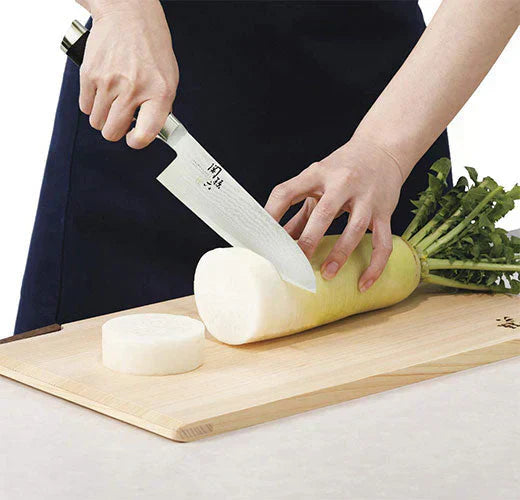
Japanese Knives Guide
In brief
Razor sharpness: Forged with katana-inspired techniques for clean, effortless prep work.
Specialized blades: Dedicated tools like the Yanagi for fish and Deba for poultry ensure the r...
GUIDES
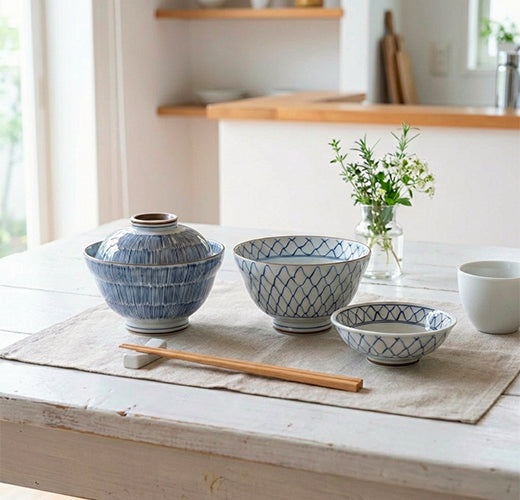
Japanese Rice Bowl Guide
At a glance
Ergonomic design: Chawan are shaped specifically to fit the curve of your palm.
Meoto Chawan: Traditional "paired" bowls designed for different hand sizes.
Material choice: Porcel...
GUIDES
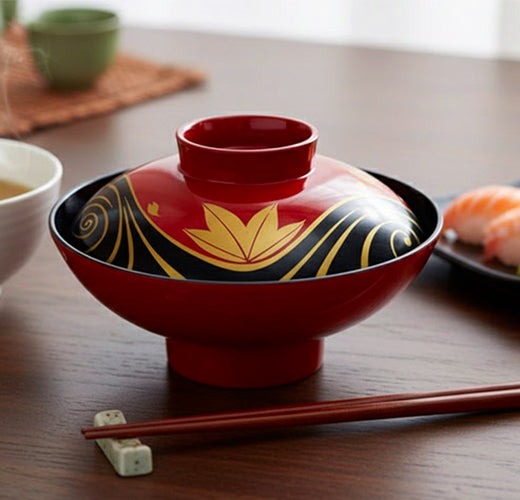
How to Choose the Perfect Miso Bowl
At a glance
The Owan Tradition: Designed to be held, these bowls prioritize heat insulation.
Material Choice: Lacquerware for lightness and heat protection; Ceramic for versatility.
Standard ...
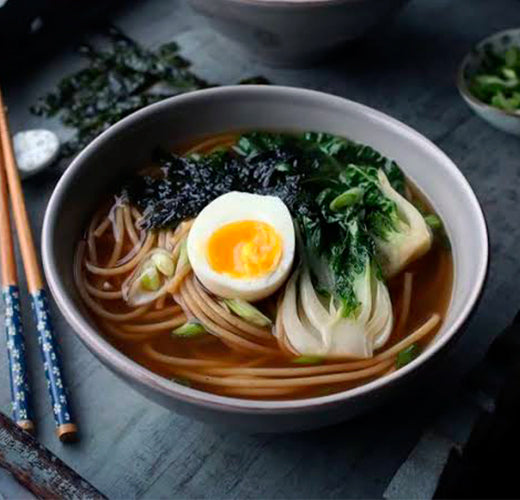
Japanese Ramen Bowl Guide
At a glance
Shape matters: Choose Tayobachi for aesthetics or Ohachi for heat retention.
Perfect size: 1000ml to 1200ml is the standard for a full portion of restaurant-style ramen.
Material:...

About new U.S. customs tariff
In short
New U.S. rules: All parcels from Japan are now subject to a 15% customs tax plus a carrier commission fee.
All-inclusive prices: Checkout prices already include...
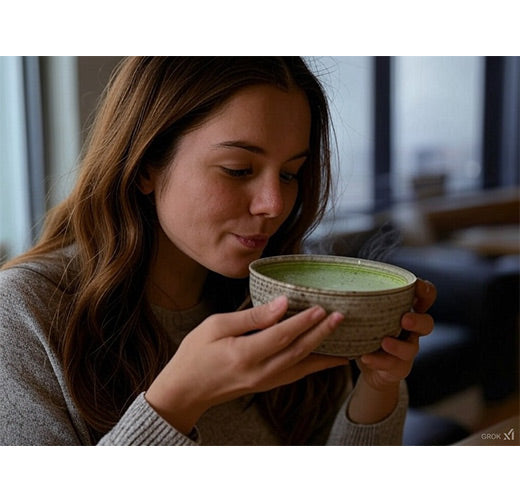
Launch of Akazuki organic Matcha
In short
Origin: Authentic organic tea from Uji, Kyoto—the historic heart of Japanese tea.
Grade: Certified ceremonial Grade A; hand-picked and stone-ground for a fine, silky powder.
Flavor P...

Shiraore Cha: Everything About Japan's Roasted Stem Tea
In short
Stem-based tea: Made from stems, stalks, and twigs of premium teas like gyokuro and sencha.
Smooth & sweet: Naturally mild with a subtle sweetness and gentl...

culture
Why You Should Wear Tabi Socks?
In short
Origin: Traditional Japanese socks dating back to the 15th century, worn with zori and geta sandals.
Comfort: Split-toe design improves alignment, reduces friction, and enhances ever...

Yukihira Saucepan: Use and Care
In short
Rich heritage: Originating in Tsubame-Sanjo, Yukihira saucepans are handcrafted with generations of Japanese metalworking expertise.
Standout features: Known fo...